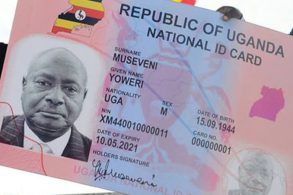
BY DEDAN MUTATINENSI years, Ugandans have had to keep track of two different identification numbers for two closely related purposes.
The National Identification Number (NIN) is issued by the National Identification and Registration Authority (NIRA).
It identifies an individual as a citizen or resident.
The Taxpayer Identification Number (TIN), issued by the Uganda Revenue Authority (URA), identifies a person for tax purposes.
That distinction is now being removed. Thus, it is no longer used.
Uganda adopts a national tax identification number
Cabinet has approved the use of NIN as the tax identification number for individual taxpayers, marking a significant shift in how Uganda identifies and manages taxpayers, aligns public records, and improves service delivery for citizens across ministries and agencies nationwide.
Moreover, the decision is part of the government’s broader effort to integrate public databases across agencies, improve the accuracy of taxpayer information, reduce errors, and strengthen domestic revenue mobilization to fund public services and foster growth in Uganda for development.
At first glance, the change may appear to be a simple administrative adjustment: one number replacing another.
However, its implications are much broader for NIN.
Unified identifiers in tax administration
The reform means that an individual’s identity for national purposes and their identity for tax administration will increasingly be tied to the same number. Rather than obtaining and maintaining a separate TIN, an individual taxpayer will use their identifier when interacting with the tax system.
This should make tax registration and administration simpler. It also has the potential to reduce duplication and inconsistencies in government records. Where different institutions previously held separate information about the same individual, linking systems through a common identifier can help verify and update taxpayer information, with NIN serving as the primary gateway.
NIN Reform and Tax Administration in Uganda
For Government, that integration has a more important benefit: visibility. A tax system works best when the authority can accurately establish who is earning income, conducting business, and paying taxes. A common identifier makes it easier to connect information held across different government systems and, in turn, gives the tax authority a clearer picture of economic activity. The NIN is therefore the key to unified identification within this framework.
Uganda moves toward digital tax administration, and URA focuses on data quality as a core requirement. Companies and other non-individual entities will be identified using the BRN within the new framework, while individuals retain a personal identifier for tax purposes. This distinction matters for entrepreneurs who operate in their own names and for those who have incorporated companies.