Taxation and manufacturing in Uganda: Is Government truly supporting industrial growth?
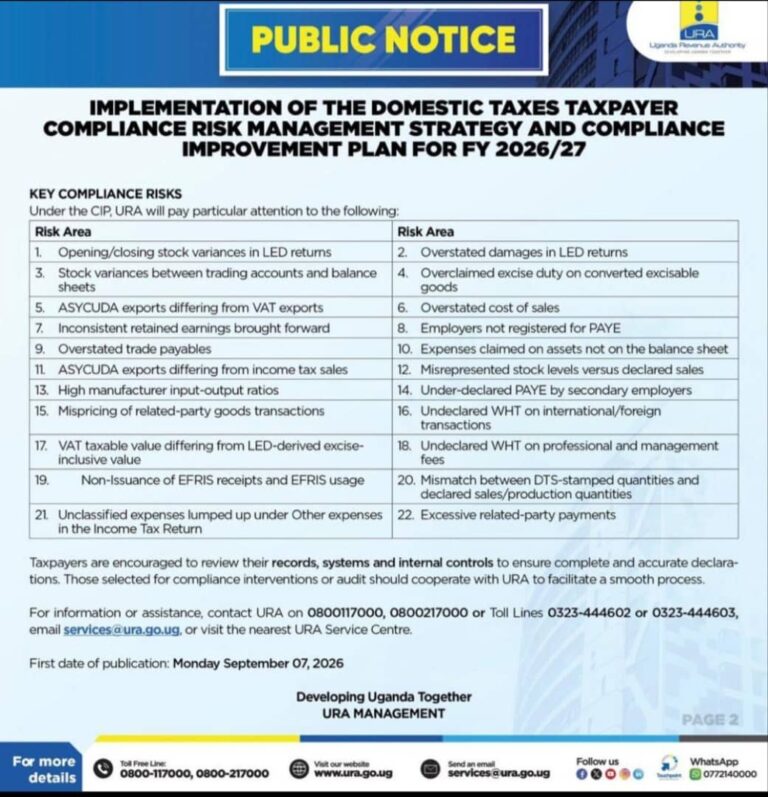
For years, Uganda has spoken confidently about industrialisation as the future of the economy. Every National development conversation seems to return to the same themes: value addition, import substitution, job creation, export growth, and strengthening local industries. Industrial parks have been launched, investment conferences organised, and manufacturers encouraged to “Buy Uganda, Build Uganda.”
On paper, the vision is ambitious and promising. But on the factory floor, the reality is often far more complicated.
Across Uganda, many manufacturers still operate under immense pressure. Rising production costs, unstable electricity, expensive financing, delayed tax refunds, multiple taxes, and policy uncertainty are making it increasingly difficult for local industries to compete effectively.
While the government promotes industrial growth publicly, many manufacturers quietly question whether Uganda’s tax environment is truly designed to help industries grow or whether it is unintentionally slowing them down.
This conversation is becoming more important as Uganda pushes toward economic transformation.
Why manufacturing matters

Manufacturing is not simply another sector of the economy. It is one of the few sectors capable of creating large-scale employment, stimulating exports, supporting agriculture, increasing household incomes, and reducing dependency on imported finished goods.
A strong manufacturing sector creates ripple effects across transport, logistics, packaging, retail, finance, and technology industries.
In many developed economies, industrialisation was the foundation of long-term economic growth. Countries such as China, Vietnam, and South Korea did not transform their economies through trade alone. They deliberately built manufacturing industries through policies that protected production, encouraged investment, and reduced operational barriers.
Uganda’s ambition to industrialise, therefore, makes economic sense. The challenge, however, is that industrialIsation cannot happen through speeches alone.
Factories require an environment where production is commercially viable. That is where tax policy becomes critical.
Manufacturing is an expensive business
Taxation is necessary in every economy. The government requires revenue to build roads, electricity infrastructure, schools, hospitals, and public services that businesses themselves depend on. No serious manufacturer expects to operate in a tax-free environment.
The real issue is whether Uganda’s tax system is structured in a way that supports industrial growth or simply prioritises short-term revenue collection.
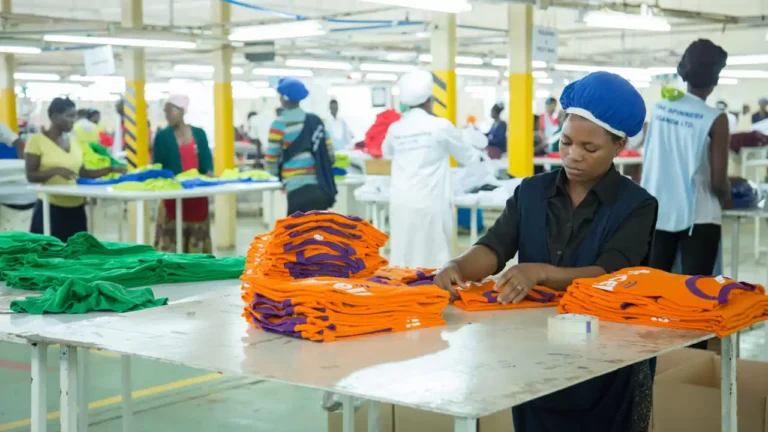
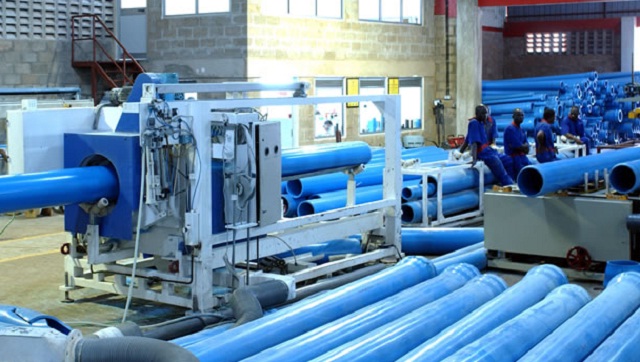
Manufacturing is an expensive and long-term investment activity. Before a single product reaches the market, manufacturers invest heavily in land, machinery, factory construction, labour, electricity installation, raw materials, compliance systems, and logistics and operations
Unlike small trading businesses, factories cannot easily adjust during difficult economic periods. Machines still require maintenance. Workers must still be paid. Production schedules must continue. Loans continue attracting interest regardless of market conditions.
Yet many manufacturers in Uganda face a growing list of operational pressures.
Electricity costs remain high for industries heavily dependent on power-intensive production. Fuel price increases still affect transport and logistics expenses. Borrowing costs remain expensive, making industrial expansion difficult for many local businesses. At the same time, manufacturers must navigate multiple tax obligations, compliance requirements, and administrative procedures that significantly increase operational costs.
The result is that locally manufactured products often struggle to compete with imported finished goods entering the Ugandan market.
Contradiction in Uganda’s industrial policy
This contradiction remains one of the biggest frustrations within Uganda’s manufacturing sector.
The government encourages citizens to consume locally made products, yet local manufacturers frequently operate under conditions that make production more expensive than importation. In some cases, businesses importing finished goods may face fewer operational burdens than businesses attempting to manufacture those same products locally.
This raises an uncomfortable but necessary question:
Can Uganda genuinely industrialise if producing locally remains more difficult than importing?
If the answer is no, then tax policy cannot simply focus on revenue collection alone. It must also become part of Uganda’s industrial growth strategy.
Why tax incentives matter
One area where tax policy plays an important role is through industrial incentives.
Uganda has introduced several tax incentives aimed at attracting investors and supporting manufacturing growth. These include exemptions on certain industrial machinery, tax holidays for qualifying investments, and incentives within industrial parks.
Such policies are important because they lower the cost of investment and expansion.
When manufacturers save money on machinery imports or investment costs, they can reinvest in production capacity, technology, workforce development, and product quality improvement.
However, the effectiveness of incentives depends heavily on consistency and implementation.
Manufacturers require predictability. A factory investment is not planned for one year; it is planned for decades. Investors, therefore, need confidence that tax policies will remain stable enough to support long-term planning.
Frequent changes in tax structures, duties, or incentive regimes create uncertainty that discourages industrial expansion. Businesses can adapt to taxation itself, but adapting to constant policy shifts becomes far more difficult.
The VAT refund problem
Another major issue affecting manufacturers in Uganda is delayed Value Added Tax (VAT) refunds.
For many manufacturing businesses, especially exporters, VAT refunds are not merely accounting adjustments. They are part of essential working capital. Manufacturers often pay VAT on raw materials, machinery, and operational inputs long before receiving revenue from finished products.
When refunds are delayed for months, businesses experience serious cash flow pressure.
This affects production schedules, supplier payments, expansion plans, operational liquidity and borrowing costs.
Some manufacturers are forced to seek expensive financing to sustain operations while waiting for refunds owed to them.
Efficient tax administration, therefore, matters just as much as tax policy itself. A supportive manufacturing environment cannot exist where businesses spend excessive time and resources navigating administrative bottlenecks.
Are formal businesses carrying too much pressure?
There is also growing concern that compliant manufacturing businesses are becoming easy targets for revenue collection because they are visible, registered, and easier to monitor. Meanwhile, large sections of the informal economy remain outside the tax system. This creates an imbalance where formal manufacturers shoulder a disproportionate burden while competing against informal operators with lower compliance costs.
Over time, excessive pressure on compliant businesses discourages investment and weakens confidence within the formal sector.
Uganda must recognise that strong manufacturing industries generate value beyond direct tax collections alone.
Factories create employment opportunities for thousands of Ugandans. They support farmers supplying raw materials, transporters moving goods, technicians maintaining equipment, and countless small businesses connected to industrial supply chains.
Manufacturing also strengthens export potential and reduces pressure on foreign exchange reserves by limiting dependence on imported products.
Manufacturing is about more than factories
In many ways, manufacturing is not simply about producing goods. It is about building economic resilience.
Countries with strong manufacturing sectors are generally better positioned to withstand global economic disruptions because they rely less heavily on imported products. Recent global supply chain disruptions demonstrated how vulnerable economies can become when local production capacity remains weak.
Uganda’s tax system must evolve beyond short-term collection targets and become part of a broader industrial growth strategy.
If Uganda truly wants industrial transformation, tax policy must actively encourage production, investment, expansion, and competitiveness. Manufacturers should not feel punished for formalising operations, employing workers, or investing in value addition.
Conclusion
Ultimately, taxation has the power either to strengthen Uganda’s manufacturing sector or quietly weaken it.
When tax systems are fair, predictable, and growth-oriented, industries expand, and economies grow stronger. But when taxation becomes excessively burdensome, inconsistent, or disconnected from business realities, industrial growth slows.
Uganda’s industrial future will not be determined by speeches alone. It will depend largely on whether policies, especially tax policies, genuinely make it easier for manufacturers to produce, compete, and grow.
If governments genuinely want industrial transformation, they must stop seeing manufacturers primarily as taxpayers and start seeing them as partners in building the economy.
The writer is a Tax Expert and Team Lead at Demo Consult